


Part 2: Prithvi Innovations’ Actions Towards Wetland Conservation (From Awareness to Action)

Blog No. 0326/PI - Written by -
Ruchira Nigam, Project Coordinator, Prithvi Innovations &
Ms. Anuradha Gupta, Founder General Secretary, Prithvi Innovations
Wetland conservation cannot succeed through policies alone—it requires active community participation, youth leadership, behavioural change, and continuous on-ground engagement. Recognizing this need, Prithvi Innovations has been working to strengthen wetland conservation through a combination of environmental education, citizen engagement, clean-up initiatives, biodiversity-focused campaigns, and experiential learning programs.
Our approach is guided by the understanding that wetlands are not only habitats for birds and aquatic life, but also living natural infrastructure that supports water security, climate resilience, and local livelihoods. Therefore, the actions of Prithvi Innovations aim to connect people - especially children and youth - with wetlands in a meaningful and responsible way.

1) Sambhav Program – Reducing Plastic Pollution & Dumping
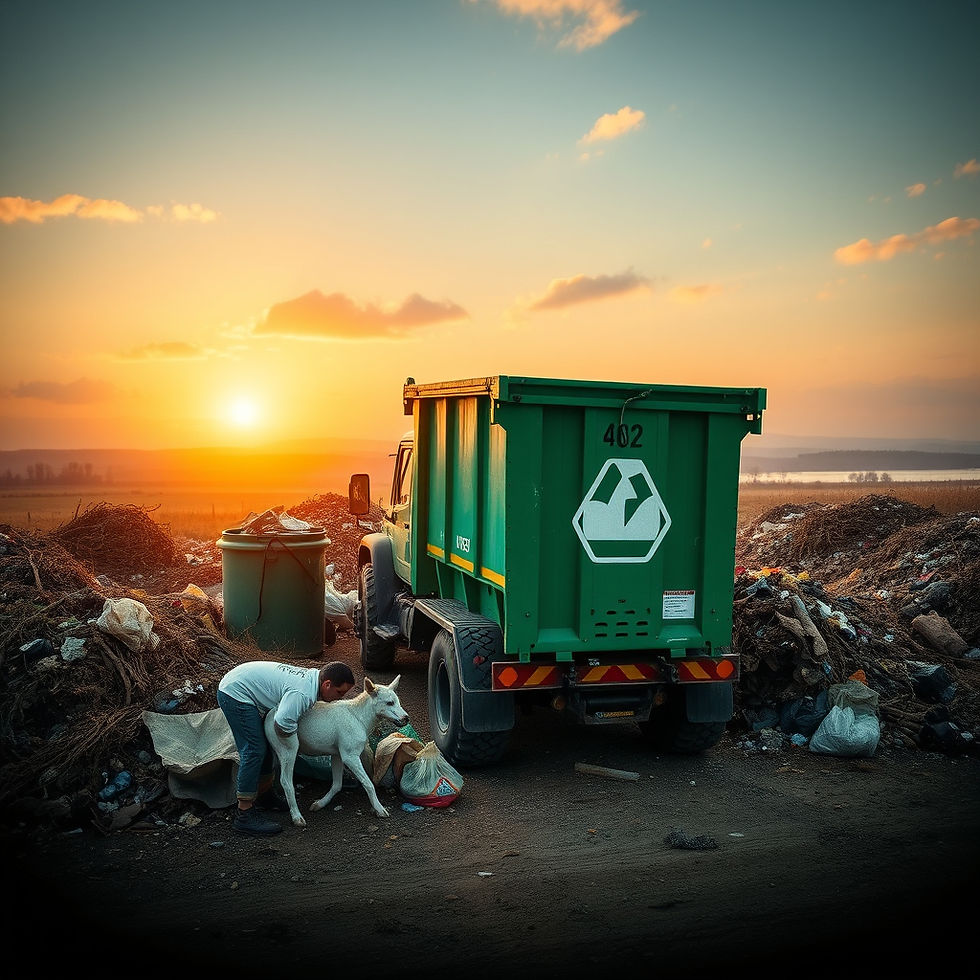
Plastic pollution is among the most visible and damaging threats to wetlands. Wetlands often become the final dumping ground for:
single-use plastics (bags, wrappers, bottles)
thermocol plates/cups
puja waste mixed with plastic
household garbage
construction debris
Under the Sambhav Program, Prithvi Innovations promotes behavioural change and community responsibility to reduce wetland pollution and dumping.
Key actions under Sambhav Program:
awareness sessions on plastic pathways (how plastic enters wetlands through drains and runoff)
sensitization on wetland health impacts, including reduced dissolved oxygen, fish mortality, and habitat degradation
encouraging students and citizens to adopt plastic-free practices
promoting the message: “Wetlands are not dumping grounds—they are living ecosystems.”
The Sambhav Program strengthens the idea that wetland conservation begins with daily lifestyle choices and responsible consumption.
2) Clean-Up Drives – Restoring Wetlands Through Collective Action
Wetland restoration requires both ecological and social efforts. Prithvi Innovations conducts and supports clean-up drives at water bodies and wetland edges to reduce pollution load and strengthen public ownership.
Our Clean-Up Drives focus on:
removal of plastic waste, glass, and non-biodegradable litter
segregation of collected waste wherever possible
awareness messages during the drive on:
impacts of dumping on wetland biodiversity
role of wetlands in flood control and groundwater recharge
engaging:
students
volunteers
local residents
institutions
Clean-up drives act as hands-on conservation education, creating a direct connection between people and wetlands, while improving habitat conditions for wetland species.
3) Jal Yatra – Wetland Awareness & Community Outreach
Prithvi Innovations conceptualizes wetland awareness as a journey - where people learn by observing, exploring, and connecting with natural water systems. Through Jal Yatra, we promote awareness about:
wetlands and their ecosystem services
water ethics and responsible use
threats such as encroachment, pollution, and invasive speciesconservation as a shared responsibility
Jal Yatra includes:
awareness walks and visits to wetlands
interactive discussions on wetland ecology
student-led learning sessions
documentation of wetland biodiversity through observation and photography
Recent Lake Tour (Experiential Learning)
A key highlight of Jal Yatra has been our recent lake tour, where participants explored the wetland ecosystem to understand:
wetland biodiversity (birds, aquatic plants, insects)
visible threats (plastic, sewage, disturbance)
importance of maintaining wetland cleanliness and connectivity
This kind of exposure transforms conservation from theory into real-life learning, helping participants understand wetlands as living ecosystems rather than just “water bodies”.
4) Save The Frog Day – Protecting Habitat & Indicator Species
Wetlands are not only about birds and fishes—they are also vital for amphibians like frogs. Frogs are globally recognized as indicator species, meaning:
their presence indicates a healthy ecosystem
their decline signals environmental stress such as pollution, pesticide contamination, habitat loss, and climate impacts
Prithvi Innovations integrates wetland conservation with biodiversity protection through Save The Frog Day, emphasizing that protecting frogs means protecting:
clean wetland water
aquatic vegetation
breeding pools and microhabitats
food chains and ecological balance
Save The Frog Day initiatives include:
awareness sessions on the ecological role of frogs
sensitization against myths and fear-based killing
linking amphibian conservation to wetland health monitoring
promoting habitat protection as the first step in biodiversity conservation
By focusing on frogs, Prithvi Innovations strengthens a scientific understanding of wetlands as complete ecosystems, not single-species habitats.
5) World Wetlands Day Celebrations – Education, Engagement & Action
World Wetlands Day is not just a symbolic day—it is an opportunity to inspire long-term conservation action. Prithvi Innovations celebrates World Wetlands Day through a wide range of awareness and education activities, ensuring engagement across age groups and institutions.
Key activities include:
wetland visits and nature interpretation sessions
online and offline quiz contests to promote wetland literacy
workshops on wetland conservation and Ramsar awareness
poster-making, slogan writing, and creative competitions
expert talks and interactive sessions with students and community
citizen action messaging aligned with Mission LiFE
These celebrations help translate wetland science into public understanding, strengthening community involvement and youth ownership.

A Community-Centered Vision for Wetland Conservation
Through Sambhav Program, clean-up drives, Jal Yatra, Save The Frog Day, and World Wetlands Day celebrations, Prithvi Innovations has created a model where wetland conservation becomes:
education-driven
community-supported
youth-led
action-oriented
and scientifically informed



Comments