


Waste Management and Climate Change

Blog No. 0826/PI - Written by -
Anita, Intern, Prithvi Innovations with
Ms. Anuradha Gupta, Founder General Secretary, Prithvi Innovations
Introduction
In today’s world, climate change has become one of the most serious global challenges. Rising temperatures, melting glaciers, and unpredictable weather patterns clearly show its impact. One of the major contributors to climate change is poor waste management. Every day, humans generate a huge amount of waste, but much of it is not handled properly, leading to environmental damage.
What is Waste Management?
Waste management refers to the process of collecting, separating, treating, and disposing of waste in an efficient and environmentally friendly way. It includes methods such as reducing waste, reusing materials, and recycling.
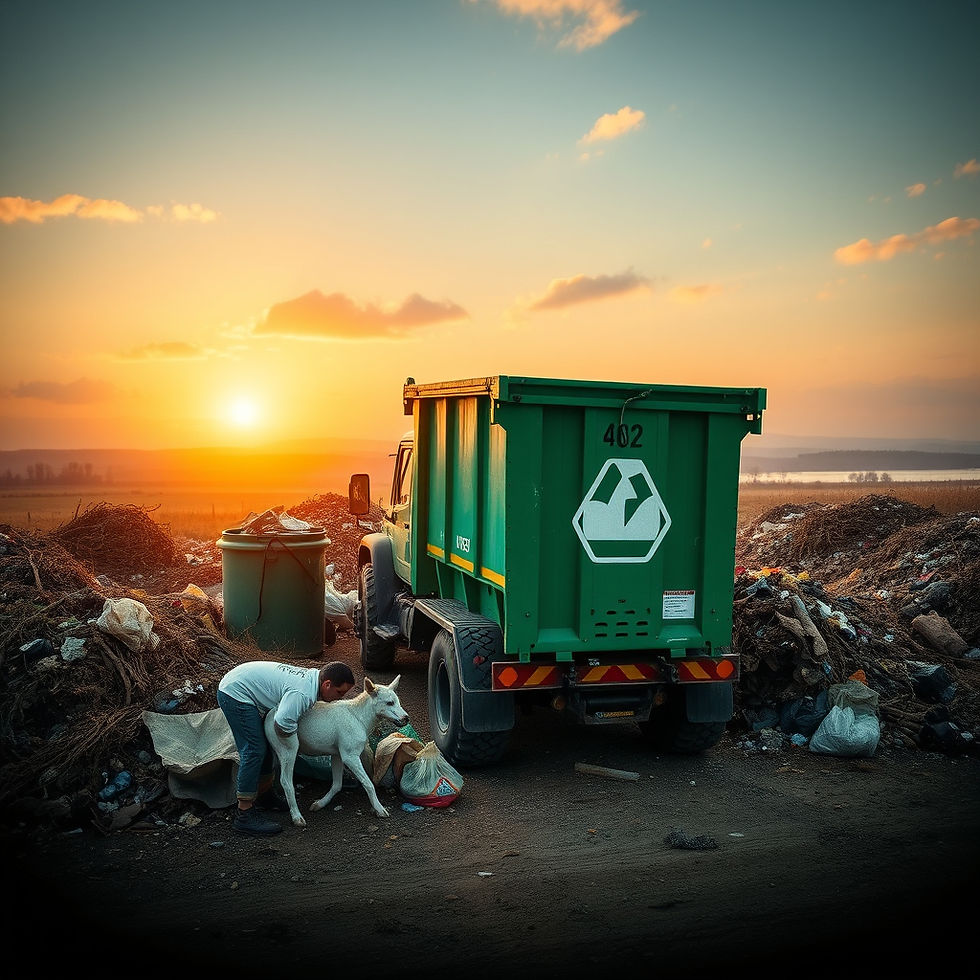
However, in many places, waste is simply dumped in open areas or landfills without proper treatment. This creates pollution and harms both nature and human health.
Link Between Waste Management and Climate Change
Waste management is closely connected to climate change. When organic waste like food and plant materials is thrown into landfills, it decomposes and produces methane gas. Methane is a highly harmful greenhouse gas that contributes significantly to global warming.
In addition to this:
Burning plastic waste releases toxic gases into the atmosphere
Industrial waste pollutes air, water, and soil
Increased waste leads to increased production, which raises carbon emissions
All these factors together accelerate climate change.
Problems Caused by Poor Waste Management
Improper waste management leads to several environmental and health issues:
Air Pollution: Harmful gases reduce air quality
Water Pollution: Rivers and groundwater become contaminated
Soil Degradation: Land becomes less fertile
Health Issues: Spread of diseases and infections
Most importantly, it increases global warming and disturbs the natural balance of the environment.
Solutions for Better Waste Management
The problem of waste can be reduced by adopting simple and effective practices:
1. Reduce
Minimize the use of unnecessary items and avoid creating excess waste
2. Reuse
Use products multiple times instead of discarding them after one use
3. Recycle
Separate waste materials like paper, plastic, and glass for recycling
4. Composting
Convert organic waste such as food scraps into compost for plants
5. Avoid Plastic
Reduce the use of single-use plastic products

Role of Students and Youth
Students and young people can play an important role in protecting the environment:
Practice waste segregation at home
Spread awareness about cleanliness and sustainability
Participate in environmental campaigns and cleanliness drives
Choose eco-friendly products
Even small actions by individuals can create a big impact.


Comments